The traditional resume is no longer enough. In today’s rapidly evolving job market, professionals need innovative ways to showcase their skills, experiences, and capabilities beyond conventional credentials.

Alternative credentials and digital portfolios are transforming how employers evaluate talent and how individuals demonstrate their professional worth. This shift represents a fundamental change in skills recognition, opening doors for millions who possess valuable expertise but lack traditional qualifications. The movement toward competency-based recognition is empowering learners, career changers, and experienced professionals alike to unlock their true potential.
🚀 The Rise of Alternative Credentials in Modern Education
Alternative credentials have emerged as powerful tools for skills validation in the 21st century. These non-traditional forms of certification include digital badges, micro-credentials, certificates of completion, and industry-recognized certifications that focus on specific competencies rather than broad academic achievements.
The global market for alternative credentials has experienced explosive growth, with millions of professionals now earning digital badges and certificates from platforms like Coursera, edX, LinkedIn Learning, and industry-specific training providers. This growth reflects a fundamental shift in how both learners and employers view professional development and skills acquisition.
Unlike traditional degrees that can take years to complete, alternative credentials offer targeted learning experiences that can be completed in weeks or months. This flexibility allows professionals to upskill or reskill quickly, responding to market demands and emerging technologies without interrupting their careers significantly.
What Makes Alternative Credentials Valuable
The value of alternative credentials lies in their specificity and relevance. While a traditional degree demonstrates broad knowledge in a field, a micro-credential proves competency in a particular skill or technology. For employers, this specificity makes hiring decisions more transparent and accurate.
Alternative credentials also address the skills gap that exists in many industries. Technology evolves faster than traditional education systems can adapt, creating situations where recent graduates possess outdated knowledge. Alternative credentials bridge this gap by offering current, industry-relevant training that responds quickly to market changes.
📊 Building a Portfolio That Showcases Your True Capabilities
A professional portfolio goes far beyond listing jobs and education. It provides tangible evidence of your skills, creativity, problem-solving abilities, and professional growth. Digital portfolios have become essential tools for professionals across industries, not just creative fields.
The modern professional portfolio can include project samples, case studies, testimonials, videos, code repositories, design mockups, writing samples, presentations, and documentation of problem-solving processes. This comprehensive approach gives potential employers or clients a complete picture of what you can actually do, not just what you claim to know.
Essential Elements of an Effective Portfolio
An impactful portfolio should include several key components that work together to tell your professional story. First, clearly articulate your professional identity and value proposition. What makes you unique? What problems do you solve? This narrative framework helps viewers understand your perspective and approach.
Second, showcase your best work with context. Don’t just display finished products; explain the challenges you faced, your approach to solving them, and the results you achieved. This contextualization demonstrates your thinking process and problem-solving methodology, which are often more valuable than the final product itself.
Third, include evidence of continuous learning. Display your alternative credentials, certifications, and ongoing professional development activities. This demonstrates your commitment to growth and adaptability, qualities that employers highly value in today’s dynamic work environment.
💼 How Employers Are Embracing Skills-Based Hiring
Forward-thinking organizations are shifting away from degree-requirements toward skills-based hiring practices. Companies like Google, Apple, IBM, and countless others have publicly removed degree requirements for many positions, focusing instead on demonstrated competencies and practical abilities.
This transformation benefits both employers and job seekers. Employers gain access to a wider talent pool that includes self-taught professionals, career changers, and individuals from non-traditional educational backgrounds. Job seekers gain opportunities based on merit and capability rather than credentials that may not reflect their current skills.
Skills-based hiring also promotes diversity and inclusion. Traditional credential requirements can inadvertently exclude talented individuals who lacked access to formal education due to financial, geographic, or social barriers. By focusing on what candidates can do rather than where they studied, organizations create more equitable opportunities.
The Role of Technology in Skills Verification
Technology platforms are making skills verification more reliable and accessible. Blockchain technology enables secure, tamper-proof credential verification. Digital badging systems provide detailed metadata about what skills were learned and how they were assessed. Portfolio platforms offer integrated ways to display credentials alongside work samples.
Artificial intelligence is also playing an increasing role in matching skills to opportunities. AI-powered recruitment tools can analyze portfolios and credentials to identify candidates whose demonstrated capabilities align with job requirements, reducing bias and improving match quality.
🎯 Strategic Approaches to Building Your Credential Stack
Building a strong credential stack requires strategy and intentionality. Start by identifying the skills most valued in your target industry or role. Research job postings, industry reports, and professional networks to understand current and emerging skill demands.
Next, create a learning plan that addresses gaps between your current capabilities and your goals. Prioritize credentials that are widely recognized in your industry and come from reputable providers. Quality matters more than quantity; ten micro-credentials from unknown sources carry less weight than three from respected institutions or industry leaders.
Consider pursuing stackable credentials that build upon each other, creating a coherent narrative of progressive skill development. Many programs now offer learning pathways where completing one credential qualifies you for advanced courses, allowing you to build expertise systematically.
Balancing Breadth and Depth in Skill Development
The most successful professionals balance breadth and depth in their skill development. Develop deep expertise in your core area while maintaining broader knowledge in adjacent fields. This T-shaped skill profile makes you both specialized and versatile, capable of contributing at a high level while collaborating across disciplines.
Document your learning journey in your portfolio. Show how different credentials connect to form a comprehensive skill set. Explain why you chose specific learning paths and how they’ve enhanced your professional capabilities. This metacognitive reflection demonstrates self-awareness and strategic thinking.
🌐 Platforms and Tools for Showcasing Your Credentials
Numerous platforms exist for creating professional portfolios and displaying credentials. LinkedIn remains the most widely used professional network, offering credential sections, featured content, and portfolio capabilities. Many professionals use LinkedIn as their primary digital portfolio, especially for business and technical roles.
Specialized portfolio platforms cater to different professional needs. Behance serves creative professionals, GitHub showcases code and technical projects, Medium demonstrates writing and thought leadership, and platforms like Notion or personal websites offer complete customization for unique presentation needs.
Digital badge platforms like Credly and Badgr provide systems for issuing, managing, and sharing verified credentials. These platforms ensure credential authenticity and provide detailed information about the skills and assessments behind each badge, giving employers confidence in their validity.
Creating an Integrated Digital Presence
Your digital presence should be integrated and consistent across platforms. Use the same professional photo, similar bio information, and consistent messaging about your expertise and value proposition. Link your various profiles together so viewers can easily explore your complete professional story.
Regularly update your portfolio with new projects, credentials, and achievements. An active, current portfolio signals professional vitality and growth. Set reminders to review and refresh your portfolio quarterly, removing outdated information and highlighting recent accomplishments.
📈 Measuring the Impact of Alternative Credentials
The effectiveness of alternative credentials can be measured through various outcomes. Career advancement, salary increases, job offers, and expanded professional networks all indicate credential value. Track these metrics as you build your credential stack to understand which certifications deliver the most significant returns.
Professional recognition also serves as an important indicator. Are you being invited to speak, write, or contribute to projects based on your demonstrated expertise? Are peers seeking your advice or collaboration? These qualitative measures often precede quantitative career benefits.
Engagement with your portfolio provides valuable feedback. Monitor who views your portfolio, which projects generate the most interest, and what credentials prompt inquiries. This data helps you refine your presentation and understand what aspects of your expertise resonate most strongly with your target audience.
🔮 The Future of Skills Recognition and Professional Development
The evolution of skills recognition continues to accelerate. Emerging technologies like virtual reality may soon enable immersive portfolio experiences where viewers can interact with your work in three-dimensional spaces. Artificial intelligence might create dynamic portfolios that automatically customize presentations based on viewer interests and roles.
Credential ecosystems are becoming more interconnected. Educational institutions, employers, and professional organizations are collaborating to create comprehensive frameworks for skills recognition that span formal education, workplace learning, and independent development. These frameworks will make career pathways more transparent and accessible.
The concept of lifelong learning is transitioning from aspiration to necessity. As automation and artificial intelligence transform industries, continuous skill development becomes essential for career sustainability. Alternative credentials and portfolios provide the infrastructure for documenting this ongoing professional evolution.
Preparing for Emerging Opportunities
Position yourself for future opportunities by staying informed about industry trends and emerging skill demands. Follow thought leaders, read industry publications, participate in professional communities, and experiment with new technologies and methodologies before they become mainstream requirements.
Develop meta-skills that transcend specific technologies or methodologies. Critical thinking, communication, adaptability, creativity, and collaboration remain valuable across contexts and resist automation. Document how you apply these skills in your portfolio, demonstrating their practical application through specific examples.
✨ Taking Action to Unlock Your Potential Today
Begin your alternative credentials journey by conducting a skills audit. Honestly assess your current capabilities against market demands. Identify three to five high-priority skills that would significantly enhance your professional value and career prospects.
Research credible learning providers for these skills. Compare program content, credential recognition, cost, time commitment, and alumni outcomes. Choose programs that offer hands-on projects you can include in your portfolio, maximizing the value of each learning investment.
Create or update your professional portfolio immediately, even if it feels incomplete. Start with what you have and build incrementally. An imperfect portfolio that exists beats a perfect portfolio that remains imaginary. Share your portfolio with trusted colleagues for feedback, then iterate and improve based on their insights.
Network strategically with professionals who have successfully leveraged alternative credentials. Learn from their experiences, understand which credentials proved most valuable, and discover how they positioned their portfolios for maximum impact. Most professionals are generous with advice when approached respectfully.
🎓 Embracing the Credential Revolution
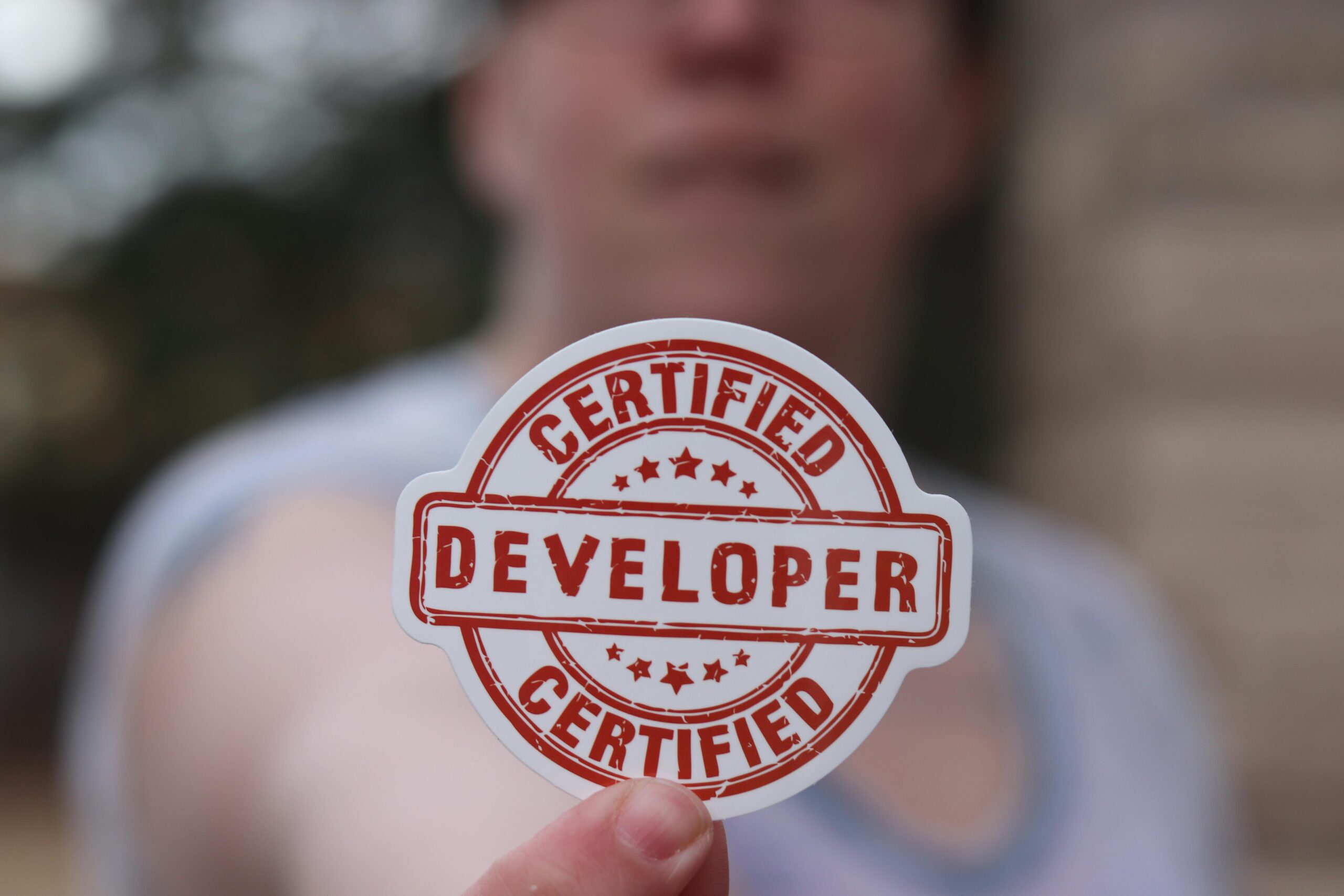
The shift toward alternative credentials and portfolio-based skills recognition represents more than a trend; it’s a fundamental transformation in how society values and validates professional capability. This change democratizes opportunity, allowing talent to emerge from unexpected places and enabling individuals to chart unique career paths.
Your potential is not limited by traditional educational pathways or conventional career trajectories. Alternative credentials provide the tools to demonstrate your capabilities, portfolio platforms offer the stage to showcase your work, and skills-based hiring creates the opportunities to apply your talents meaningfully.
The question is not whether to embrace alternative credentials and portfolios, but how quickly and strategically you can leverage these powerful tools. Every day you delay is a day someone else is building their credential stack, refining their portfolio, and positioning themselves for opportunities that could be yours.
Start today. Choose one skill to develop, find one quality learning program, complete one project for your portfolio. These small actions compound into significant professional transformation. Your potential is waiting to be unlocked, and the tools to do so are more accessible than ever before. The future of work belongs to those who can demonstrate what they can do, not just what they’ve studied. Make your capabilities visible, verifiable, and valuable through strategic use of alternative credentials and compelling portfolios that tell your unique professional story.