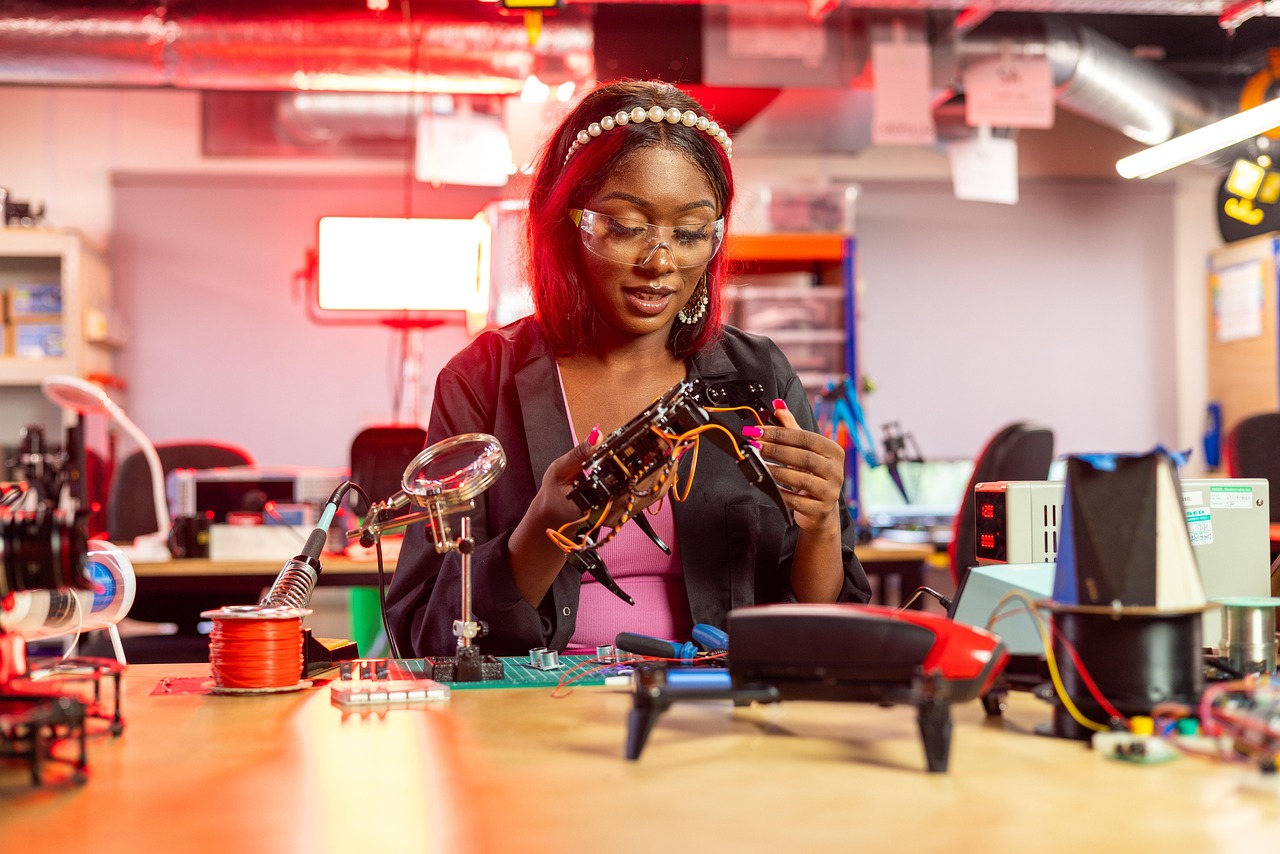
Education is evolving beyond traditional classroom settings, and embodied learning stands at the forefront of this transformation. By integrating physical movement, mindfulness practices, and active participation, educators can unlock unprecedented potential in learners of all ages.

The conventional approach to education has long emphasized sedentary learning, where students sit for extended periods absorbing information passively. However, emerging research in neuroscience and educational psychology reveals that our bodies and minds are deeply interconnected. When we engage our physical selves in the learning process, we create stronger neural pathways, enhance memory retention, and develop a more profound understanding of concepts that transcend mere intellectual comprehension.
🧠 The Science Behind Embodied Learning
Embodied cognition theory suggests that our cognitive processes are deeply rooted in the body’s interactions with the world. This isn’t simply about being physically active; it’s about recognizing that our thoughts, emotions, and learning processes are fundamentally shaped by our bodily experiences. When students use their hands to manipulate objects, move through space to understand mathematical concepts, or physically act out historical events, they’re engaging multiple sensory systems simultaneously.
Research conducted at leading universities demonstrates that physical activity increases blood flow to the brain, boosting concentration and cognitive function. Movement triggers the release of brain-derived neurotrophic factor (BDNF), a protein that supports the growth of new neurons and strengthens existing neural connections. This biological response creates an optimal environment for learning, making embodied approaches not just pedagogically sound but scientifically validated.
Neural Pathways and Memory Formation
When learners engage in embodied activities, they create multiple memory traces. A student learning about the solar system by physically modeling planetary orbits with their body creates kinesthetic, visual, and spatial memories simultaneously. This multi-modal encoding makes information easier to retrieve later because the brain has multiple pathways to access the same knowledge.
The hippocampus, crucial for memory formation, shows increased activity during physical movement. Studies using functional MRI scans reveal that students who learn through movement-based activities demonstrate stronger activation in memory centers compared to those learning through traditional sedentary methods. This neurological advantage translates into measurable improvements in academic performance and long-term retention.
💪 Movement as a Learning Catalyst
Incorporating movement into educational settings doesn’t require expensive equipment or complete curriculum overhauls. Simple strategies can transform static lessons into dynamic learning experiences. Teachers who integrate movement breaks, kinesthetic activities, and physically engaging projects report higher student engagement, improved behavior, and better academic outcomes.
Movement-based learning activities can range from simple gestures that reinforce vocabulary words to complex physical simulations of scientific processes. The key is intentionality—movement should serve the learning objective, not simply provide a break from academic work. When physical activity directly connects to conceptual understanding, students develop embodied knowledge that feels intuitive rather than abstract.
Practical Movement Strategies for Classrooms
- Math walks: Students physically pace out mathematical problems, using steps to understand distance, rate, and measurement concepts
- Body spelling: Learners form letters with their bodies, reinforcing letter recognition and spelling through physical memory
- Science simulations: Acting out molecular movements, cellular processes, or ecological relationships through choreographed movement
- History reenactments: Physically recreating historical events to understand context, causation, and perspective
- Gesture-based learning: Developing specific movements that correspond to key concepts, creating embodied mnemonics
- Brain breaks: Structured movement intervals that refresh attention and prepare the brain for subsequent learning
🧘 Mindfulness: The Foundation of Focused Learning
Mindfulness practices complement movement-based approaches by teaching students to become aware of their bodily sensations, emotions, and thought patterns. This metacognitive awareness helps learners regulate their attention, manage stress, and approach challenges with greater resilience. In an age of constant digital distraction, mindfulness offers students tools to cultivate focus and presence.
Educational mindfulness goes beyond simple meditation. It encompasses breathing exercises, body scans, mindful observation activities, and practices that help students develop emotional intelligence. When students learn to notice their internal states without judgment, they gain agency over their learning process. They recognize when frustration is building, when attention is wandering, or when they need a different approach to understand difficult material.
Implementing Mindfulness in Educational Settings
Starting class with two minutes of focused breathing can dramatically shift classroom dynamics. Students arrive to learning spaces carrying the emotional residue of previous experiences—social conflicts, family stressors, or simply the overstimulation of transitioning between activities. Mindfulness practices create a buffer, allowing students to arrive mentally and emotionally to the present learning moment.
Mindful listening exercises sharpen auditory attention while teaching patience and non-reactivity. Mindful observation activities, where students closely examine natural objects or artworks, develop concentration and the capacity for sustained attention. These skills transfer directly to academic tasks, improving reading comprehension, problem-solving persistence, and creative thinking.
🎯 Active Engagement: Beyond Passive Consumption
Active learning transforms students from passive recipients of information into co-creators of knowledge. This approach recognizes that understanding deepens through application, experimentation, and collaboration. When learners actively manipulate ideas, test hypotheses, and construct meaning through dialogue and practice, they develop critical thinking skills that transcend specific content areas.
The lecture-based model, where one person speaks while many listen, represents perhaps the least effective educational approach according to learning retention research. The “learning pyramid” suggests that lecture results in approximately 5% retention after 24 hours, while teaching others—the ultimate active engagement—results in 90% retention. Active learning strategies bridge this gap by positioning students as active participants rather than passive observers.
Active Engagement Strategies That Work
Project-based learning exemplifies active engagement at its best. Students tackle real-world problems, conducting research, collaborating with peers, and producing tangible outcomes that demonstrate their understanding. This approach naturally integrates movement, mindfulness, and multiple forms of intelligence, creating rich learning experiences that prepare students for complex challenges beyond the classroom.
Collaborative learning structures, such as think-pair-share, jigsaw activities, and peer teaching, activate social dimensions of cognition. When students explain concepts to classmates, they must organize their understanding coherently, anticipate questions, and adapt their communication to their audience’s needs. These metacognitive demands strengthen comprehension while developing crucial communication skills.
🌟 Creating Embodied Learning Environments
Physical space profoundly influences learning potential. Traditional classroom arrangements, with rows of fixed desks facing forward, limit movement possibilities and reinforce passive learning modes. Embodied learning environments feature flexible furniture, open spaces for movement, and zones designated for different activities—quiet reflection areas, collaborative workspaces, and active learning zones.
Natural elements enhance embodied learning environments. Access to windows, plants, natural materials, and outdoor learning spaces supports attention restoration and reduces cognitive fatigue. When possible, taking learning outside transforms abstract concepts into tangible experiences—studying ecosystems in actual natural environments, exploring geometry through natural patterns, or understanding weather systems through direct observation.
Technology as an Embodied Learning Tool
While technology often promotes sedentary engagement, thoughtfully implemented digital tools can support embodied learning. Motion-based gaming systems, augmented reality applications, and interactive simulations allow students to manipulate digital objects through physical movement. Virtual reality experiences can transport learners to historical periods, microscopic environments, or distant locations, creating embodied understanding of places and concepts beyond physical reach.
Educational apps that incorporate movement breaks, breathing exercises, and physical challenges can support embodied learning when screen time is necessary. The key is selecting technologies that enhance rather than replace physical engagement, using digital tools as supplements to—not substitutes for—embodied experiences.
📊 Measuring Success in Embodied Education
Traditional assessment methods often fail to capture the full benefits of embodied learning approaches. Standardized tests measure narrow cognitive skills while ignoring physical intelligence, emotional regulation, collaboration abilities, and creative problem-solving. Comprehensive assessment in embodied learning environments requires multiple measures that honor diverse forms of intelligence and expression.
| Assessment Type | What It Measures | Embodied Learning Connection |
|---|---|---|
| Performance Tasks | Application of knowledge through action | Demonstrates embodied understanding through physical demonstration |
| Portfolio Assessment | Growth over time across multiple domains | Captures kinesthetic, creative, and collaborative learning |
| Self-Assessment | Metacognitive awareness and reflection | Develops mindfulness and personal learning insight |
| Peer Evaluation | Social learning and collaborative skills | Honors interactive and relational aspects of embodied learning |
| Observation | Engagement, process, and behavioral indicators | Captures physical engagement and active participation |
Qualitative data—student reflections, observational notes, and narrative assessments—provide rich insights into how embodied learning impacts student development. Teachers might track changes in attention span, physical coordination, emotional regulation, or collaboration skills alongside traditional academic metrics. This holistic approach recognizes that education serves broader purposes than content mastery alone.
🚀 Overcoming Implementation Challenges
Despite compelling evidence supporting embodied learning, implementation faces significant obstacles. Standardized curricula, high-stakes testing pressures, limited physical space, large class sizes, and insufficient teacher training all present real challenges. However, educators worldwide are finding creative solutions that work within existing constraints.
Starting small makes embodied learning more manageable. Teachers need not transform entire curricula overnight. Implementing one movement break daily, beginning class with brief mindfulness practice, or redesigning a single unit around active engagement principles creates entry points for broader transformation. As students and teachers experience benefits, momentum builds naturally.
Building Support Systems
Professional learning communities focused on embodied learning provide crucial support for teachers experimenting with new approaches. Sharing successes, troubleshooting challenges, and collaboratively designing activities reduces isolation and accelerates innovation. School leaders play vital roles by protecting time for movement and mindfulness, providing appropriate resources, and defending embodied approaches when they face skepticism.
Parent education helps families understand and support embodied learning approaches. When parents grasp connections between movement, mindfulness, and academic success, they become advocates rather than critics. Workshops, newsletters, and family participation events that demonstrate embodied learning principles build community understanding and support.
🌍 Embodied Learning Across Cultures and Contexts
Embodied learning isn’t a Western innovation imposed on traditional education systems. Indigenous cultures worldwide have long recognized the inseparability of body, mind, and learning. Storytelling traditions that incorporate gesture and movement, apprenticeship models emphasizing learning by doing, and holistic educational philosophies that honor physical, emotional, and spiritual development alongside intellectual growth all exemplify embodied learning principles.
Adapting embodied learning approaches to diverse cultural contexts requires sensitivity and flexibility. Movement practices, mindfulness techniques, and engagement strategies should align with cultural values and practices. Rather than importing specific activities wholesale, educators can embrace underlying principles while developing culturally responsive applications that honor local traditions and knowledge systems.
✨ The Future of Embodied Education
As understanding of brain-body connections deepens, embodied learning will likely shift from alternative approach to mainstream practice. Neuroscience continues revealing how physical experience shapes cognitive development, providing ever-stronger evidence for movement-based, mindful, actively engaging educational models. The COVID-19 pandemic’s forced experiment with remote learning paradoxically highlighted the essential role of physical presence, movement, and embodied interaction in deep learning.
Future educational spaces may look radically different from today’s classrooms. Imagine learning environments designed around movement—standing desks, balance boards, climbing walls integrated into architectural design, and outdoor classrooms as standard rather than exceptional. Technology could become more embodied, with haptic feedback, motion sensing, and biometric monitoring creating responsive learning systems that adapt to each student’s physical and emotional state in real time.
Teacher preparation programs are beginning to incorporate embodied learning principles, preparing new educators to design kinesthetic activities, lead mindfulness practices, and facilitate active engagement. As this pedagogical shift gains momentum, the next generation of teachers will enter classrooms equipped with both traditional content knowledge and embodied teaching expertise.
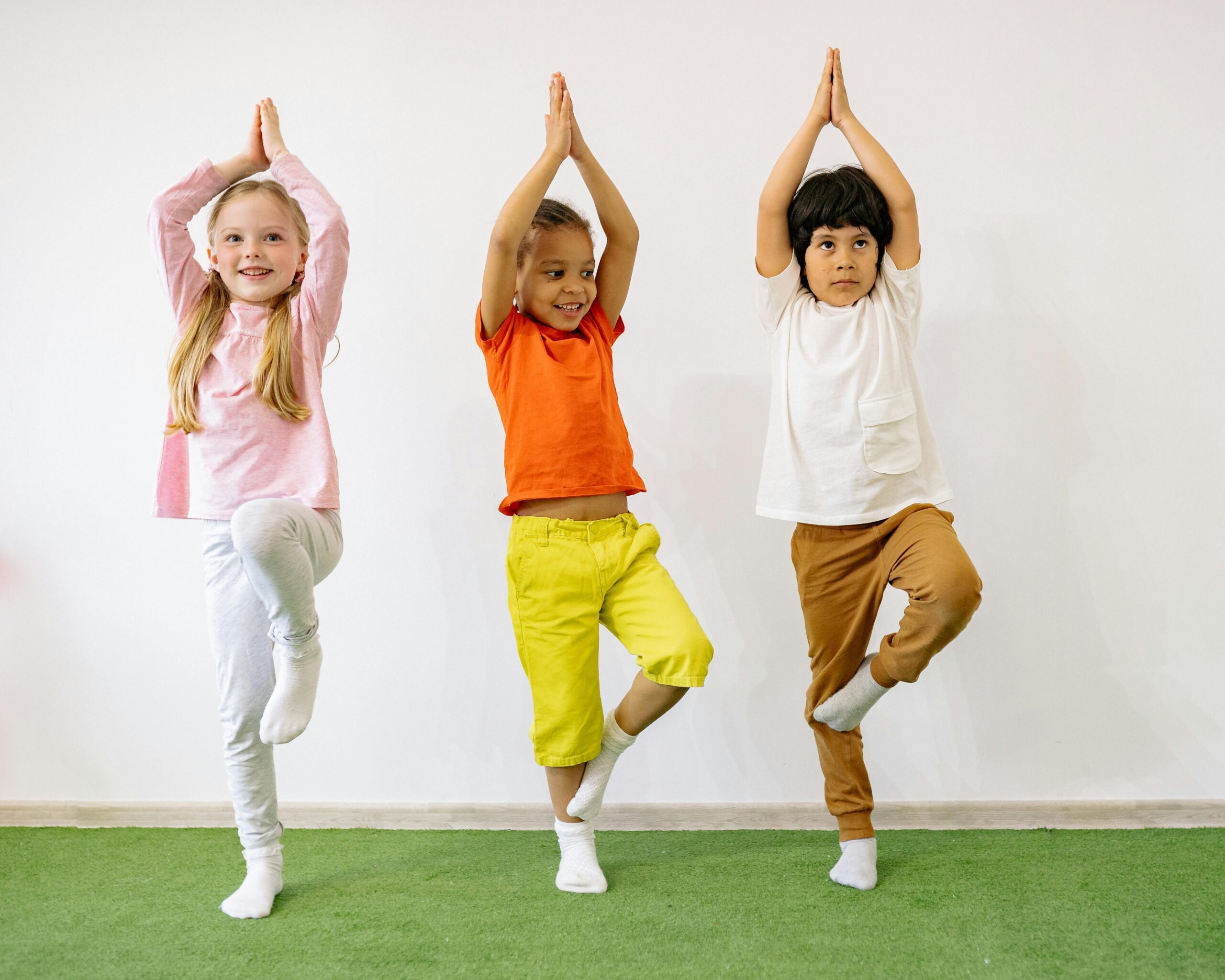
🎓 Transforming Education Through Embodied Practice
The transformation from traditional to embodied education represents more than methodological change—it reflects a fundamental reconceptualization of what learning is and how it occurs. Rather than viewing education as information transfer from teacher to student, embodied approaches recognize learning as an active, whole-person process where physical experience, emotional engagement, and cognitive understanding interweave inseparably.
This shift honors the full humanity of learners. Students aren’t disembodied minds that happen to occupy bodies; they’re integrated beings whose physical experiences profoundly shape their thinking, feeling, and understanding. When education engages the whole person—body, mind, emotions, and spirit—it cultivates not just academic knowledge but wisdom, resilience, creativity, and the capacity for continued growth throughout life.
Every educator possesses power to begin this transformation immediately. The next lesson, the next interaction with students, presents an opportunity to incorporate movement, invite mindfulness, or deepen active engagement. These small shifts accumulate into profound change, unlocking potential that conventional approaches leave dormant and creating educational experiences that honor the extraordinary capacity of embodied human learners.