The threads that connect us to our ancestors are woven through stories, traditions, and shared memories. In an increasingly globalized world, preserving and rebuilding cultural lineages has become essential for maintaining identity and providing future generations with a sense of belonging.

Cultural heritage represents more than historical artifacts or ancient practices. It encompasses the living traditions, languages, values, and knowledge systems passed down through generations, forming the foundation of individual and collective identity. As communities face rapid modernization and displacement, the urgency to document, preserve, and transmit cultural knowledge has never been more critical.
🌍 The Fragile Thread of Cultural Memory
Cultural lineages face unprecedented threats in the 21st century. Globalization, urbanization, and the digital revolution have accelerated the erosion of traditional knowledge systems. Indigenous languages disappear at alarming rates—linguists estimate one language vanishes every two weeks, taking with it unique worldviews and cultural insights accumulated over millennia.
Migration patterns further complicate cultural preservation. When families relocate across continents, the physical distance from ancestral lands can create gaps in cultural transmission. Second and third-generation immigrants often struggle to maintain connections with their heritage while navigating the demands of assimilation in new environments.
Climate change adds another dimension to this challenge. Rising sea levels threaten island nations, desertification displaces communities, and extreme weather events destroy cultural sites. These environmental pressures don’t just displace people—they sever connections to sacred spaces, traditional agricultural practices, and location-specific cultural expressions that have defined communities for centuries.
📚 Mapping the Journey: Understanding Cultural Lineages
Rebuilding cultural lineages begins with understanding what we mean by this concept. Cultural lineages encompass the transmission of knowledge, practices, beliefs, and values from one generation to the next. This transmission occurs through multiple channels: oral traditions, ritual practices, artistic expressions, culinary traditions, and social customs.
Unlike genetic lineages, cultural inheritance is not automatic. It requires active participation, conscious effort, and intentional teaching. Every generation must choose to learn, adapt, and pass forward the cultural knowledge they’ve received, making each link in the chain both precious and vulnerable.
The Components of Cultural Identity
Cultural identity comprises several interconnected elements that work together to create a cohesive sense of belonging. Language serves as perhaps the most fundamental carrier of culture, encoding not just communication but worldview, humor, and conceptual frameworks unique to each community.
Traditional knowledge systems represent another crucial component. These include agricultural techniques adapted to local environments, medicinal practices derived from indigenous pharmacology, navigation methods, and craftsmanship skills refined over generations. Such knowledge often holds practical value beyond cultural significance, offering sustainable solutions to contemporary challenges.
Ritual and ceremony mark important transitions and seasonal cycles, providing rhythm to communal life. These practices reinforce social bonds, transmit values, and create shared experiences that bind communities together across time and space.
🔍 Tools and Technologies for Cultural Preservation
Modern technology offers unprecedented opportunities for documenting and preserving cultural heritage. Digital archives can store vast quantities of photographs, audio recordings, and video documentation, making cultural materials accessible to scattered community members and future researchers.
Genealogy platforms have revolutionized how individuals trace their family histories. These tools combine historical records, DNA analysis, and collaborative research to help people uncover their ancestral roots and connect with distant relatives. For adopted individuals or descendants of enslaved peoples, such technologies can partially restore lineages severed by historical trauma.
Virtual reality and 3D modeling enable the digital preservation of cultural sites and artifacts. Museums and cultural organizations worldwide are creating immersive experiences that allow people to explore historical spaces, examine artifacts in detail, and participate in virtual ceremonies—all from remote locations.
Language Revitalization Through Technology
Language learning applications have become valuable tools in revitalization efforts. Communities working to reclaim endangered languages can now create customized learning platforms that combine traditional teaching methods with gamification, spaced repetition algorithms, and multimedia content.
Recording elders and fluent speakers has taken on new urgency. High-quality audio and video documentation creates permanent records that future learners can access. Some communities are developing language archives that include not just vocabulary and grammar but also contextual usage, storytelling styles, and culturally appropriate communication patterns.
🤝 Community-Driven Preservation Initiatives
The most successful cultural preservation efforts are community-led rather than externally imposed. When communities control their own heritage narratives, they ensure authenticity, maintain cultural protocols, and determine what knowledge should be shared publicly versus what remains sacred or restricted.
Intergenerational mentorship programs create structured opportunities for knowledge transmission. Master-apprentice models, where skilled practitioners teach traditional crafts, music, or other cultural practices to dedicated learners, have proven particularly effective. These relationships often extend beyond skill transfer to encompass worldview, values, and community responsibility.
Cultural festivals and gatherings serve multiple preservation functions simultaneously. They provide opportunities for practice and performance, create spaces for teaching younger generations, strengthen community bonds, and generate interest among outsiders who might become allies or advocates.
Building Cultural Documentation Centers
Many communities are establishing their own cultural centers and archives. These institutions function as repositories for historical materials, teaching spaces, gathering places, and symbols of cultural continuity. Unlike external museums, community-controlled centers can implement culturally appropriate protocols for handling sacred materials and determining access rights.
These centers often become hubs for broader cultural revitalization efforts. They might house language classes, traditional craft workshops, genealogy research facilities, and performance spaces. By centralizing cultural activities, they create visible focal points for community identity and pride.
🌱 Transmitting Heritage to Future Generations
Successful cultural transmission requires adapting traditional knowledge to contemporary contexts without losing essential meanings. Young people need to see their heritage as relevant and valuable, not merely as museum pieces from a distant past.
Innovative educators are finding creative ways to bridge tradition and modernity. Traditional stories might be animated using digital tools created by youth themselves. Historical recipes can be featured in social media cooking videos. Traditional music might be blended with contemporary genres, creating fusion styles that honor roots while speaking to current sensibilities.
The Role of Education Systems
Formal education plays a critical role in cultural transmission. When schools incorporate local history, indigenous knowledge, and heritage languages into curricula, they validate these as worthy of study and provide structured learning opportunities. Culturally responsive pedagogy recognizes that different communities have distinct learning styles and knowledge frameworks.
Some regions have established immersion schools where instruction occurs entirely in indigenous languages. These schools demonstrate that heritage languages can serve as complete mediums of modern education, covering science, mathematics, technology, and all other subjects while simultaneously revitalizing endangered languages.
💡 Navigating Identity in Diaspora Communities
For diaspora communities separated from ancestral homelands, maintaining cultural connections presents unique challenges. Physical distance from cultural sites, reduced exposure to fluent language speakers, and minority status in adopted countries can all attenuate cultural transmission.
Yet diaspora communities also demonstrate remarkable creativity in preserving heritage. Cultural associations organize regular gatherings. Weekend language schools supplement mainstream education. Social media groups connect scattered community members. Online marketplaces facilitate access to traditional foods, clothing, and materials.
Diaspora youth often develop hybrid identities that blend multiple cultural influences. Rather than viewing this as dilution, many scholars now recognize these hybrid identities as legitimate cultural expressions in their own right, representing new chapters in ongoing cultural evolution.
Digital Homelands and Virtual Connections
Internet connectivity enables diaspora communities to maintain real-time connections with homelands. Video calls allow grandparents to teach grandchildren traditional songs despite continental separation. Live-streamed ceremonies permit participation from anywhere with internet access. Online archives provide access to cultural materials that might be physically distant.
Social media platforms have become important spaces for cultural expression and community formation. Hashtags unite scattered community members around shared heritage. Video platforms host tutorials on traditional crafts, cooking, and music. Digital spaces enable cultural participation that transcends geographic boundaries.
🏛️ Addressing Historical Trauma and Restoration
For many communities, rebuilding cultural lineages means confronting historical trauma. Colonization, slavery, forced assimilation policies, and genocide have deliberately severed cultural connections. Residential schools, prohibited language use, outlawed religious practices, and family separations created gaps in cultural transmission that persist across generations.
Healing these wounds requires acknowledgment, truth-telling, and restorative justice. Communities need space to grieve what was lost while celebrating what survived and can be reclaimed. This process often involves recovering suppressed histories, challenging dominant narratives, and asserting the validity of alternative historical perspectives.
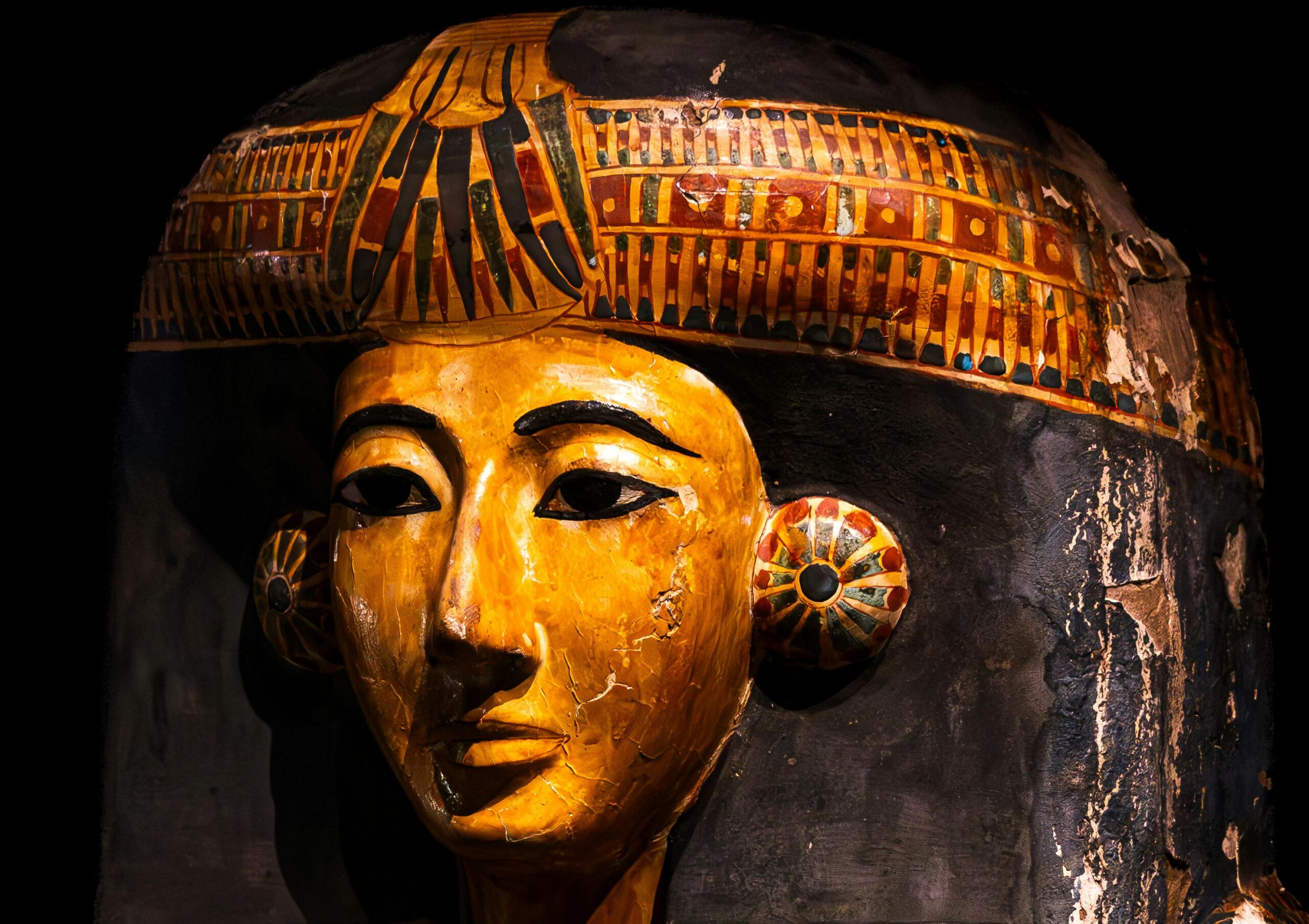
Repatriation movements seek to return cultural artifacts, ancestral remains, and sacred objects from museums and private collections to their communities of origin. These returns have profound symbolic and practical significance, restoring not just objects but relationships and responsibilities.
🌟 The Future of Cultural Heritage
Looking forward, cultural preservation must balance continuity with evolution. Cultures have always changed and adapted; stagnation equals death. The challenge lies in maintaining core values and distinctive identity while allowing organic evolution in response to changing circumstances.
Young people will determine which elements of heritage remain vital and how traditions adapt to contemporary realities. Their role is not merely to receive and preserve but to innovate and transform, ensuring cultural relevance for their own generation and those to come.
Technology will continue shaping preservation possibilities. Artificial intelligence might help reconstruct lost languages or predict optimal preservation strategies. Blockchain technology could protect intellectual property rights in traditional knowledge. Augmented reality might overlay historical information onto physical landscapes, making heritage visible in everyday environments.
Building Intercultural Understanding
Cultural preservation need not mean isolation. Sharing heritage with others can build bridges, foster understanding, and create allies for preservation efforts. When approached respectfully, intercultural exchange enriches all participants while celebrating human diversity.
This sharing must occur on terms set by communities themselves. Cultural appropriation—the adoption of cultural elements without permission, understanding, or respect—harms preservation efforts by decontextualizing and commercializing sacred or significant practices. True intercultural dialogue requires consent, reciprocity, and relationship-building.
🎯 Taking Action: Steps Toward Reconnection
Individuals seeking to reconnect with cultural heritage can take numerous practical steps. Begin by documenting family stories, interviewing elders, and gathering photographs and artifacts. These materials form the foundation for deeper exploration.
Learn the language of your ancestors, even if only basic phrases. Language carries cultural logic and worldview in ways that translation cannot fully capture. Participate in cultural organizations, attend community events, and volunteer for preservation initiatives.
Support cultural workers—artists, language teachers, traditional knowledge holders—who dedicate themselves to transmission work. Their efforts often go undercompensated despite providing invaluable community services.
Teach younger family members what you learn. Cultural transmission requires each generation to actively pass knowledge forward. The chain of heritage depends on every link maintaining its connection to those before and after.
🌈 Weaving New Threads While Honoring Old Patterns
Rebuilding cultural lineages is neither about frozen preservation nor complete assimilation. It involves creative engagement with heritage that honors the past while addressing present realities and future possibilities. This work requires patience, dedication, and community collaboration.
The rewards extend beyond individual satisfaction. Strong cultural identities contribute to psychological well-being, provide resilience during hardship, and offer alternative perspectives on human challenges. As humanity faces complex global problems, the diverse wisdom traditions preserved through cultural lineages may offer crucial insights.
Every person who learns an ancestral language, practices a traditional craft, shares family stories, or participates in cultural ceremonies strengthens the chain connecting past, present, and future. These individual acts collectively ensure that the rich diversity of human cultural expression continues enriching our world.
The project of cultural preservation is ultimately optimistic. It affirms that heritage matters, that diversity enriches humanity, and that connections across generations provide meaning and purpose. By investing in cultural lineages today, we give future generations the gift of knowing where they come from—and the foundation for determining where they’re going.