Memory is the essence of who we are, yet our ability to preserve it has always been limited by technology. Today, we stand at the threshold of a revolutionary era where artificial intelligence, holography, and immersive digital platforms are transforming how we capture, store, and relive our most precious moments.

The quest to preserve memories is as old as humanity itself. From cave paintings to photographs, each generation has sought better ways to hold onto fleeting experiences. Now, emerging technologies are not just recording moments—they’re creating immersive time capsules that engage all our senses and emotions in unprecedented ways.
🧠 The Evolution of Memory Preservation: From Analog to Digital Intelligence
The journey of memory preservation has undergone radical transformations over the past century. Early photography required subjects to remain still for minutes, capturing only static moments frozen in time. Film cameras brought spontaneity, while digital cameras made photography accessible to everyone. But today’s technologies go far beyond simple image capture.
Modern memory-preservation systems utilize sophisticated algorithms that don’t just record what happens—they understand context, recognize faces, identify emotions, and even predict which moments you’ll want to revisit. These intelligent systems automatically organize, enhance, and present memories in ways that feel natural and emotionally resonant.
Artificial intelligence now powers photo and video applications that can restore damaged old photographs, colorize black-and-white images, and even animate still pictures to bring ancestors to life. Machine learning algorithms analyze thousands of photos to create personalized highlight reels, identifying the most meaningful moments based on facial expressions, composition, and user preferences.
Smart Photo Management Systems That Think for You
Gone are the days of scrolling through thousands of unsorted images. Contemporary memory-preservation platforms use computer vision and natural language processing to automatically categorize photos by people, places, events, and even emotional tone. You can search for “happy moments with Mom at the beach” and instantly retrieve relevant memories from years of stored content.
These systems also address one of digital photography’s biggest challenges: the overwhelming volume of captured moments. By intelligently curating and surfacing memories when they’re most meaningful—such as anniversaries or birthdays—technology helps us reconnect with experiences that might otherwise remain buried in digital archives.
📱 Mobile Applications Revolutionizing Personal Memory Banks
Smartphones have become our primary memory-capture devices, and specialized applications are maximizing their potential. These apps combine cloud storage, AI organization, and social sharing features to create comprehensive personal history platforms.
Leading memory-preservation applications offer features like automatic backup, facial recognition tagging, location-based organization, and collaborative family albums where multiple generations can contribute and access shared histories. Some platforms even create automatic “memory movies” set to music, transforming static collections into emotional narratives.
One particularly innovative approach involves journaling apps that combine photos, videos, voice recordings, and written text into multimedia diary entries. These platforms use prompts and reminders to encourage regular documentation, ensuring that the context and emotions surrounding moments are preserved alongside the visual record.
🎭 Immersive Technologies: Virtual and Augmented Reality Memories
Perhaps the most revolutionary development in memory preservation is the emergence of immersive capture technologies. Virtual reality (VR) and augmented reality (AR) are transforming memories from flat, passive recordings into three-dimensional experiences you can literally step inside and relive.
360-degree cameras now allow everyday users to capture entire environments rather than just rectangular frames. When viewed through VR headsets, these recordings transport you back to the exact moment, allowing you to look around, remember details you’d forgotten, and experience the spatial relationships that traditional media cannot convey.
Volumetric video capture goes even further, recording people and objects as three-dimensional holograms that can be viewed from any angle. This technology, once limited to high-budget film productions, is becoming increasingly accessible through specialized smartphone attachments and dedicated capture studios.
The Emotional Impact of Immersive Memory Replay
Research shows that immersive memory replay activates brain regions associated with actual experience more intensely than viewing traditional photos or videos. The sense of “being there again” creates powerful emotional connections and can even help with grief processing, allowing people to feel closer to departed loved ones.
However, this power also raises important psychological considerations. Experts recommend mindful use of hyper-realistic memory replay, as too-vivid recollections of traumatic events could potentially interfere with healthy emotional processing. The technology works best for celebrating positive experiences and maintaining connections with distant loved ones.
🌐 Blockchain and Permanent Digital Legacies
One critical concern with digital memories has always been permanence. Companies go out of business, file formats become obsolete, and cloud services change their terms. Blockchain technology is emerging as a solution to create truly permanent, decentralized memory storage that no single entity controls.
Blockchain-based memory preservation platforms store encrypted data across distributed networks, ensuring that your digital legacy cannot be lost due to corporate decisions or technological obsolescence. Some services even create NFTs (non-fungible tokens) of precious memories, establishing verifiable provenance and ownership that can be passed down through generations.
These systems also address privacy concerns by giving users complete control over who can access their memories. Cryptographic keys ensure that sensitive family moments remain private while selected memories can be shared publicly or with specific individuals.
🎨 AI-Enhanced Memory Creation and Restoration
Artificial intelligence isn’t just organizing memories—it’s enhancing and even creating new ones. Advanced algorithms can now take a handful of old family photos and generate realistic video footage of ancestors moving and gesturing naturally. While these aren’t “real” memories, they provide an emotional bridge to the past that static images cannot offer.
Photo restoration has reached remarkable sophistication. AI can repair damaged photographs, remove scratches and stains, correct color fading, enhance resolution, and even reconstruct missing portions of images by intelligently filling in details based on patterns it has learned from millions of photographs.
Ethical Considerations in AI-Generated Memories
The ability to create realistic but synthetic memories raises important ethical questions. How do we distinguish between captured and generated content? Should AI-enhanced memories be labeled as such? What are the psychological implications of creating “memories” of events that didn’t happen exactly as depicted?
Most experts recommend transparency about AI enhancement and generation. Memory-preservation platforms are beginning to implement metadata standards that clearly indicate which elements of a memory have been artificially enhanced or created, preserving the integrity of historical records while still allowing creative exploration.
👨👩👧👦 Collaborative Family Memory Ecosystems
Modern memory preservation recognizes that our most meaningful experiences are shared. Collaborative platforms allow extended families to contribute to collective memory banks, creating rich, multi-perspective accounts of family history.
These systems enable relatives scattered across the globe to simultaneously access and add to shared albums. Grandparents can annotate old photos with stories, while younger family members can ask questions and add context. The result is a living family history that grows richer with each generation’s contributions.
Some platforms incorporate family tree integration, automatically organizing memories according to family relationships and helping preserve knowledge about ancestors that might otherwise be lost. Audio recordings of older relatives telling stories become priceless components of these digital family archives.
🔊 Multi-Sensory Memory Capture: Beyond Sight and Sound
Pioneering researchers are exploring ways to capture memories that engage senses beyond sight and sound. Scent has powerful memory-triggering properties, and several companies are developing devices that can record and reproduce smells associated with specific moments.
Haptic technology—which recreates the sense of touch—is also entering the memory-preservation field. Imagine being able to feel the texture of a grandparent’s hand or the warmth of a childhood home’s fireplace when revisiting those memories. While still in early stages, these technologies promise to make digital memories more complete and emotionally authentic.
The Science of Sensory Memory Enhancement
Neuroscience research confirms that multi-sensory memories are stronger and more durable than those encoded through a single sense. When we experience something through multiple sensory channels simultaneously, our brains create richer neural networks that are easier to recall and more resistant to forgetting.
Memory-preservation technologies that incorporate multiple senses don’t just create more vivid playback—they may actually help strengthen the original memories themselves by providing richer encoding cues during the initial experience.
💾 Data Preservation Strategies for the Long Term
Creating digital memories is only valuable if they remain accessible decades or even centuries from now. Long-term data preservation requires thoughtful strategies that account for technological change and data degradation.
Experts recommend following the “3-2-1 rule” for important memories: maintain three copies of data, on two different types of media, with one copy stored off-site. Cloud services satisfy the off-site requirement, but relying solely on commercial platforms carries risks. Physical storage solutions like M-DISC optical media promise data retention for centuries without degradation.
File format selection also matters for longevity. Proprietary formats may become unreadable as software evolves, while open standards like JPEG for photos and MP4 for videos have better long-term viability. Regular migration of memories to current formats and storage media—perhaps every five to ten years—provides the best insurance against technological obsolescence.
🌟 Memory Streaming: Continuous Life Documentation
An emerging trend involves continuous, automated life documentation through wearable cameras and ambient recording devices. These systems capture entire days passively, creating comprehensive records that can be searched and reviewed later.
While privacy advocates raise concerns about constant recording, proponents argue that these systems capture precious spontaneous moments that would otherwise be forgotten—the exact words of a toddler’s first joke, the expression on a friend’s face during a heartfelt conversation, or the details of a meaningful discussion you wish you could revisit.
Smart editing algorithms process hours of footage to extract meaningful moments, sparing users from reviewing endless mundane content. The result is a searchable, comprehensive life archive that captures not just special occasions but the texture of everyday existence.
🔮 The Future of Memory Technology: What’s Coming Next
The next frontier in memory preservation may involve direct neural interfaces that record experiences as our brains encode them. While this sounds like science fiction, companies are already developing brain-computer interfaces for medical applications that could eventually be adapted for memory recording.
Such technology would capture not just what we see and hear, but what we think and feel—our subjective experience rather than just external events. This could revolutionize memory preservation but also raises profound questions about privacy, authenticity, and the nature of human experience itself.
More immediately feasible are advances in holographic display technology that will allow three-dimensional memories to be viewed without special headsets, making immersive memory replay more accessible and social. Imagine gathering with family around a holographic display that lets everyone simultaneously view and interact with shared memories from multiple perspectives.
💡 Practical Steps to Start Preserving Your Memories Better Today
You don’t need to wait for future technologies to dramatically improve how you preserve memories. Several practical steps can enhance your memory preservation practices immediately:
- Establish a regular backup routine for all digital photos and videos, using both cloud and physical storage
- Add descriptive tags, captions, and dates to photos while memories are fresh and context is clear
- Record audio or video of older relatives telling family stories before those narratives are lost
- Organize digital files into clear folder structures by date and event rather than leaving everything in default camera folders
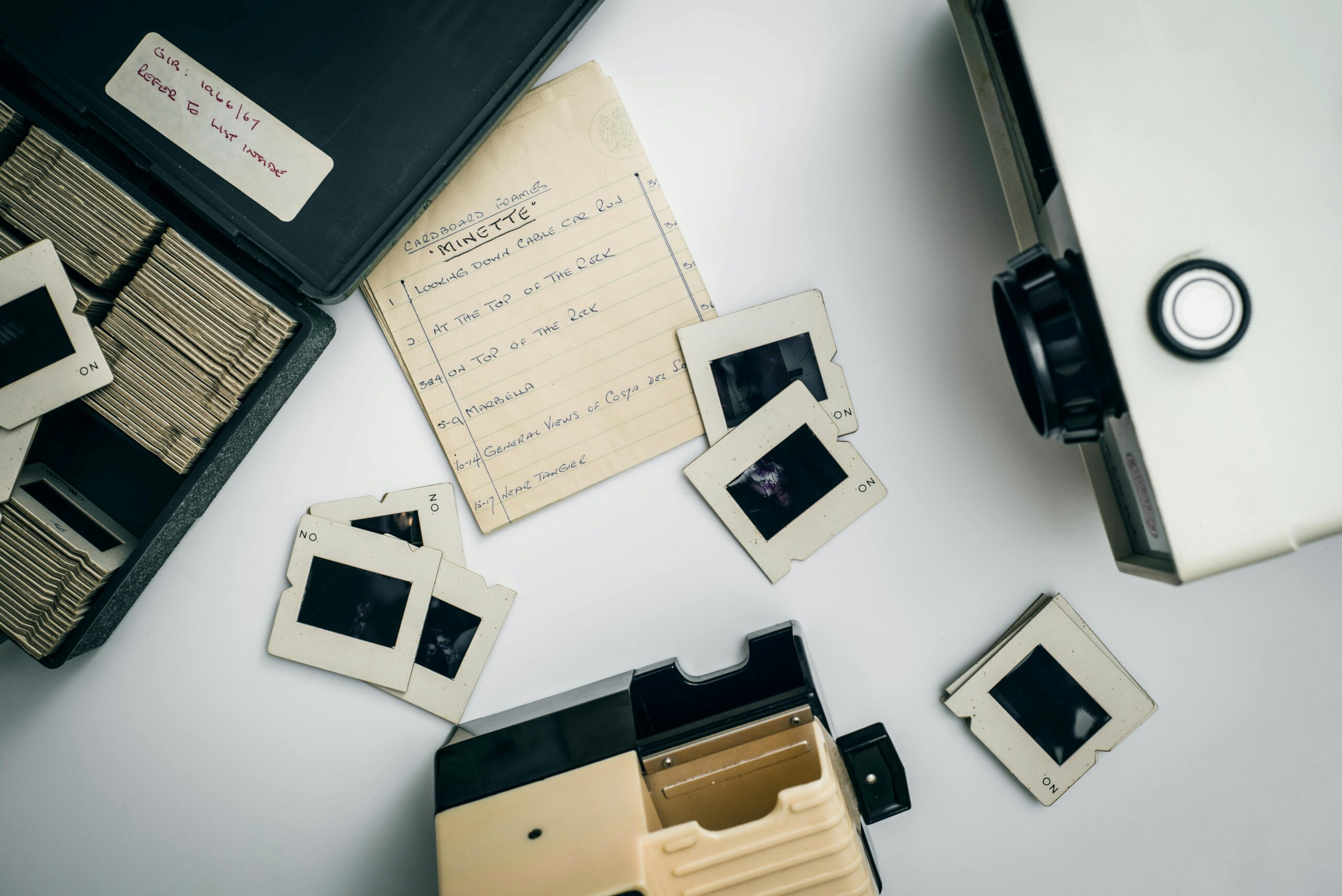
- Print favorite photos periodically—physical prints remain remarkably durable and don’t require technology to access
- Create annual photo books or videos that curate highlights rather than letting memories accumulate unorganized
- Schedule regular “digital decluttering” sessions to delete duplicates and blurry shots, making your collection more manageable
- Share memories with family members who might have different perspectives or additional context to contribute
🎯 Choosing the Right Memory Preservation Approach for Your Needs
With so many options available, selecting the right memory-preservation strategy depends on your specific needs, technical comfort level, and priorities. Casual users might prefer simple, automated solutions that require minimal effort but still provide good organization and backup. Photography enthusiasts may want more control over editing and presentation.
Consider factors like cost (one-time purchases versus ongoing subscriptions), privacy (cloud-based versus local storage), ease of sharing with family, search and organization capabilities, and long-term company viability when selecting platforms. Reading user reviews and trying free versions before committing to paid services can help identify the best fit.
Remember that your memory-preservation system should enhance your life rather than becoming a burden. The best approach is one you’ll actually use consistently, even if it’s less sophisticated than alternatives you find too complicated or time-consuming.
🌈 Transforming How We Experience Life Through Better Memory Preservation
Revolutionary memory-preservation technologies are doing more than just documenting our lives—they’re changing how we experience them. Knowing that moments can be captured completely and revisited immersively affects how we approach experiences, sometimes encouraging fuller presence and sometimes creating pressure to document everything.
The healthiest approach involves mindful balance: capturing enough to preserve precious memories without letting documentation interfere with authentic experience. Technology works best when it serves our human needs for connection, meaning, and continuity rather than becoming an end in itself.
As these technologies mature, they promise to strengthen family bonds across distances and generations, preserve cultural heritage more completely, and help us maintain connection with our own life stories as we age. The ability to truly unlock forever—to preserve not just images but entire experiences—represents one of technology’s most profound gifts to human wellbeing and connection.
The revolution in memory preservation is already underway, offering unprecedented opportunities to capture and cherish life’s moments with richness and permanence previous generations could never imagine. By thoughtfully embracing these technologies while maintaining focus on what truly matters—the experiences themselves and the connections they represent—we can create digital legacies that honor our stories and strengthen the bonds that make life meaningful. 📸✨