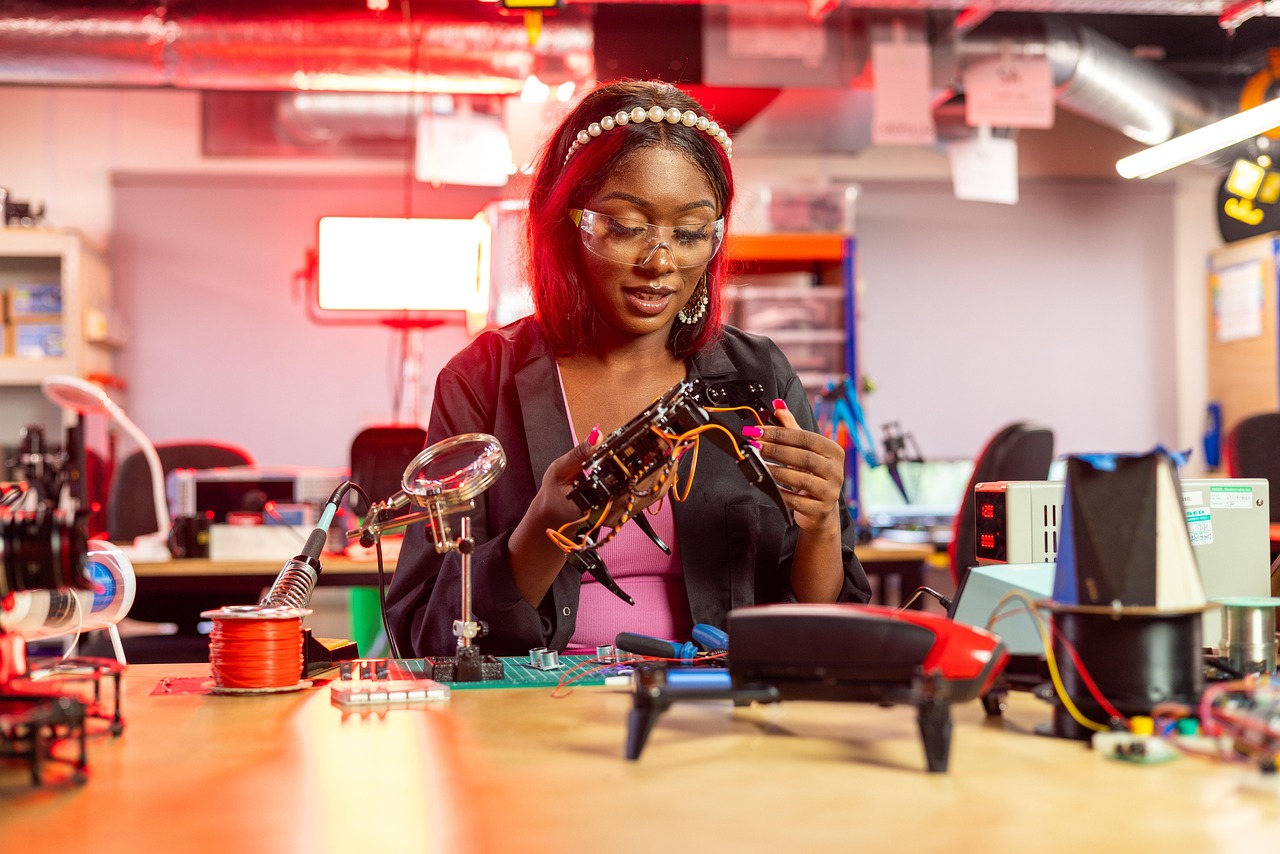
The modern workplace is evolving at an unprecedented pace, demanding more than individual brilliance—it requires collective genius. Collaborative intelligence hubs are emerging as powerful catalysts for innovation, transforming how teams work, think, and solve complex problems together.

Organizations worldwide are recognizing that traditional hierarchical structures and siloed departments no longer suffice in today’s dynamic business environment. The future belongs to those who can harness the collective intelligence of diverse teams, leverage technology strategically, and create environments where creativity flourishes naturally. Collaborative intelligence hubs represent this paradigm shift, offering frameworks and spaces where innovation isn’t just encouraged—it’s systematically cultivated.
🚀 The Foundation of Collaborative Intelligence
Collaborative intelligence goes beyond simple teamwork or cooperation. It represents a sophisticated synthesis of human creativity, diverse perspectives, and technological tools that amplify collective problem-solving capabilities. These intelligence hubs serve as ecosystems where knowledge flows freely, ideas cross-pollinate naturally, and innovation becomes a continuous process rather than isolated events.
The concept draws from multiple disciplines including cognitive science, organizational psychology, and systems thinking. When individuals with different backgrounds, skills, and perspectives converge in purposefully designed environments, they create synergies that exceed the sum of individual contributions. This emergent property—where the whole becomes greater than its parts—defines the essence of collaborative intelligence.
Core Components That Drive Success
Effective collaborative intelligence hubs share several foundational elements. Physical or virtual spaces must be designed to facilitate spontaneous interactions while providing focused work areas. Technology infrastructure should enable seamless communication and information sharing without creating overwhelming complexity. Most importantly, organizational culture must embrace transparency, psychological safety, and continuous learning.
The human element remains central to these hubs. While technology provides the infrastructure, people bring creativity, emotional intelligence, and the ability to make intuitive leaps that algorithms cannot replicate. Successful hubs recognize this balance, using technology to enhance rather than replace human interaction and judgment.
💡 Designing Spaces for Creative Collaboration
The physical and digital architecture of collaborative intelligence hubs profoundly influences their effectiveness. These environments must accommodate different working styles, support various collaboration modes, and adapt to evolving needs. Forward-thinking organizations are moving beyond traditional conference rooms and cubicles toward flexible, multi-functional spaces.
Modern collaboration spaces incorporate zones for different activities: brainstorming areas with writable surfaces and movable furniture, quiet spaces for focused work, casual lounges for informal discussions, and technology-enabled rooms for virtual collaboration. This variety acknowledges that innovation requires both energetic group sessions and contemplative individual work.
Virtual Collaboration Ecosystems
Digital collaborative intelligence hubs have become equally important, especially as remote and hybrid work models proliferate. These virtual environments replicate and sometimes surpass the functionality of physical spaces through sophisticated platforms that support real-time collaboration, asynchronous communication, and knowledge management.
Cloud-based collaboration tools enable teams distributed across continents to work as cohesively as co-located groups. Video conferencing, digital whiteboards, project management platforms, and shared documentation systems create virtual proximity that transcends geographical boundaries. The most effective virtual hubs integrate these tools seamlessly, creating unified experiences rather than fragmented tool collections.
🎯 Fostering Team Dynamics That Fuel Innovation
Technology and space design provide the framework, but human dynamics determine whether collaborative intelligence truly emerges. High-performing teams within these hubs cultivate specific behaviors and norms that accelerate innovation and maintain momentum through challenges.
Psychological safety stands as perhaps the most critical factor. Team members must feel comfortable sharing unconventional ideas, admitting mistakes, and challenging prevailing assumptions without fear of ridicule or repercussion. Leaders play a crucial role in modeling vulnerability, celebrating experimentation, and reframing failures as learning opportunities.
Diversity as an Innovation Accelerator
Collaborative intelligence hubs thrive on cognitive diversity—differences in thinking styles, problem-solving approaches, professional backgrounds, and life experiences. Homogeneous teams often reach consensus quickly but miss innovative solutions that emerge from constructive tension between different perspectives.
Effective hubs deliberately assemble diverse teams and implement practices that ensure all voices are heard. This includes structured brainstorming techniques that prevent dominant personalities from overshadowing quieter contributors, rotation of facilitation roles, and explicit acknowledgment of different communication styles and cultural norms.
🔧 Technology Tools Amplifying Collective Intelligence
Strategic technology deployment transforms collaborative potential into tangible innovation outcomes. The right tools reduce friction in communication, make information accessible when needed, and provide visibility into collective progress without creating surveillance cultures.
Knowledge management systems capture institutional wisdom that might otherwise reside only in individual minds or scattered documents. When properly implemented, these systems make it easy to discover what colleagues have already learned, avoiding redundant work and building upon existing insights.
Artificial Intelligence as a Collaboration Partner
Artificial intelligence increasingly plays a supporting role in collaborative intelligence hubs. AI-powered tools can analyze vast datasets, identify patterns humans might miss, generate initial concepts for teams to refine, and automate routine tasks that consume time better spent on creative work.
However, successful integration requires careful thought about human-AI collaboration models. The most effective approaches position AI as an augmentation tool that handles specific tasks while humans provide strategic direction, ethical judgment, and creative intuition. Teams must also develop AI literacy to understand these tools’ capabilities and limitations.
📊 Measuring Innovation Impact and Continuous Improvement
Collaborative intelligence hubs require metrics that capture both process health and outcome quality. Traditional productivity measures often fail to account for the exploratory, iterative nature of innovation work. More appropriate metrics might include speed from concept to prototype, percentage of ideas generated that receive serious consideration, or diversity of perspectives represented in decision-making.
Leading organizations implement balanced scorecard approaches that track multiple dimensions: innovation output (patents, new products, process improvements), team health (engagement, psychological safety, retention), capability development (skills acquired, cross-functional understanding), and business impact (revenue from new offerings, efficiency gains).
Feedback Loops That Drive Evolution
Continuous improvement mechanisms ensure collaborative intelligence hubs remain effective as contexts change. Regular retrospectives allow teams to reflect on what’s working and what needs adjustment. Pulse surveys capture real-time sentiment and identify emerging issues before they escalate. Experimentation mindsets encourage trying new approaches on limited scales before full implementation.
Successful hubs also look externally for inspiration, studying how other organizations approach collaboration, attending conferences focused on workplace innovation, and participating in inter-organizational learning communities. This external perspective prevents insular thinking and introduces fresh ideas.
🌟 Real-World Examples of Transformative Collaboration
Numerous organizations have demonstrated the power of collaborative intelligence hubs through remarkable innovations. Technology companies have long led in creating campus environments designed explicitly for spontaneous interaction and creative collisions. Open floor plans, abundant communal spaces, and amenities that encourage lingering all support the serendipitous conversations that spark breakthrough ideas.
Healthcare systems have established innovation labs where clinicians, administrators, patients, and technology experts collaborate on improving care delivery. These multidisciplinary hubs have produced innovations ranging from streamlined patient intake processes to novel treatment protocols, demonstrating that collaborative intelligence applies far beyond technology sectors.
Cross-Industry Collaboration Accelerators
Some of the most exciting collaborative intelligence hubs bring together organizations from different industries to tackle shared challenges. Climate change initiatives, for example, benefit enormously from collaboration among energy companies, technology firms, governments, and environmental organizations. Each brings unique expertise and perspectives that enrich solution development.
Industry consortiums focused on pre-competitive research create neutral spaces where companies that compete in markets collaborate on foundational challenges. These hubs accelerate innovation by pooling resources, sharing risks, and establishing common standards that benefit entire ecosystems.
🎓 Building Collaborative Intelligence Capabilities
Maximizing the potential of collaborative intelligence hubs requires deliberate capability development. Organizations must invest in training that goes beyond technical skills to include collaboration competencies, systems thinking, design thinking, and facilitation abilities.
Leadership development deserves particular attention. Leaders in collaborative environments need different skills than those in traditional hierarchies. They must excel at creating contexts where others thrive, asking powerful questions rather than providing all answers, navigating ambiguity with composure, and building networks across organizational boundaries.
Cultural Transformation for Collaboration
Perhaps the most challenging aspect of implementing collaborative intelligence hubs involves cultural change. Organizations with deeply ingrained competitive internal cultures, rigid hierarchies, or risk-averse mindsets must undergo fundamental transformations to enable genuine collaboration.
This transformation starts with visible commitment from senior leadership, not just rhetorical support but personal behavioral modeling. Recognition and reward systems must align with collaborative values, celebrating team achievements rather than only individual heroics. Stories celebrating successful collaboration should be shared widely, creating cultural narratives that reinforce desired behaviors.
🔮 Future Trajectories for Collaborative Intelligence
The evolution of collaborative intelligence hubs continues accelerating, driven by technological advances, changing workforce expectations, and increasingly complex global challenges. Several trends are shaping the next generation of these innovation ecosystems.
Extended reality technologies—virtual and augmented reality—promise to revolutionize virtual collaboration by creating immersive shared spaces where distributed teams can interact with greater presence and spatial awareness. Early implementations show promising results in design reviews, training scenarios, and complex problem visualization.
Neuroscience-Informed Collaboration Design
Emerging research in neuroscience and cognitive psychology offers insights into optimal conditions for creative thinking and collaboration. Future hubs will likely incorporate these findings more systematically, from lighting and acoustics that support different cognitive states to scheduling patterns that align with natural attention rhythms.
Biometric sensing technologies, used ethically with appropriate privacy protections, could provide teams with real-time feedback about stress levels, engagement, and cognitive load. This information might help teams optimize break timing, identify when to shift from divergent to convergent thinking, or recognize when discussions have become unproductively tense.
🌐 Building Future-Ready Organizations Through Collaboration
Collaborative intelligence hubs represent more than productivity enhancements or innovation programs—they embody a fundamental reimagining of how organizations create value in complex, rapidly changing environments. As challenges become more interconnected and solutions require integration of diverse expertise, the ability to collaborate effectively becomes a core organizational competency.
Organizations that excel in collaborative intelligence position themselves advantageously for uncertain futures. They develop adaptability through diverse networks that can reconfigure rapidly when conditions change. They build resilience through distributed knowledge that doesn’t depend on a few key individuals. They attract top talent who increasingly prioritize meaningful work, learning opportunities, and collaborative cultures over traditional status markers.
Starting Your Collaborative Intelligence Journey
Organizations beginning this journey should start with clarity about purpose. What problems are you trying to solve through enhanced collaboration? What specific outcomes would indicate success? This clarity prevents collaborative intelligence initiatives from becoming vague feel-good programs without measurable impact.
Start small with pilot projects that demonstrate value before attempting organization-wide transformations. Choose challenges where collaborative approaches offer clear advantages over traditional methods. Document learnings carefully and share both successes and failures transparently. Build momentum gradually as early wins generate enthusiasm and provide proof points for broader adoption.
Investment in both infrastructure and capability development proves essential. Spaces and tools matter, but without skilled facilitators, supportive leaders, and team members who understand collaborative practices, even the best-designed hubs underperform. Balanced investment across physical, technological, and human dimensions yields the strongest returns.
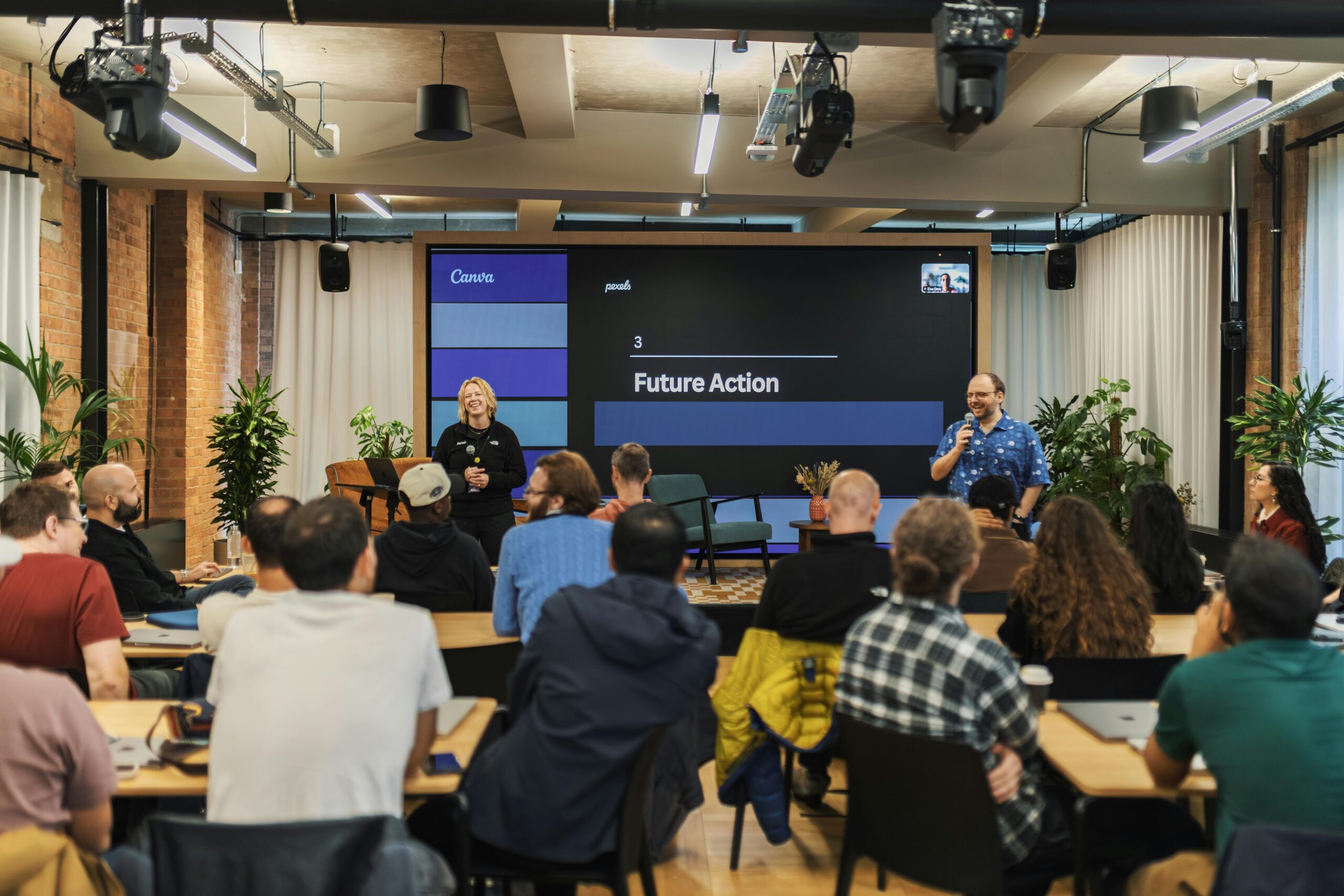
🎨 The Creative Imperative in Collaborative Spaces
Creativity represents the lifeblood of collaborative intelligence hubs. While efficiency and optimization have their place, the distinctive value of these environments lies in generating novel solutions, identifying opportunities others miss, and imagining possibilities beyond current constraints.
Protecting time and space for creative exploration requires conscious effort in organizational cultures that default to urgency and immediate productivity. Successful hubs establish rhythms that alternate between exploration and exploitation, divergent and convergent thinking, open-ended discovery and focused execution.
Creative confidence—the belief that one can generate valuable ideas and contribute meaningfully to innovation—must be cultivated systematically. Many professionals have experienced educational and work environments that suppressed rather than nurtured creativity. Collaborative intelligence hubs counteract this conditioning through supportive feedback, celebration of creative risk-taking, and structured practices that make ideation accessible to all, not just those with “creative” job titles.
The future belongs to organizations that master the art and science of collaborative intelligence. By creating environments where diverse talents converge, perspectives collide constructively, and collective wisdom emerges, these organizations unlock innovation potential that transforms industries and addresses humanity’s most pressing challenges. The journey requires commitment, patience, and willingness to experiment, but the destination—organizations that are creative, adaptive, and genuinely collaborative—proves well worth the effort. ✨