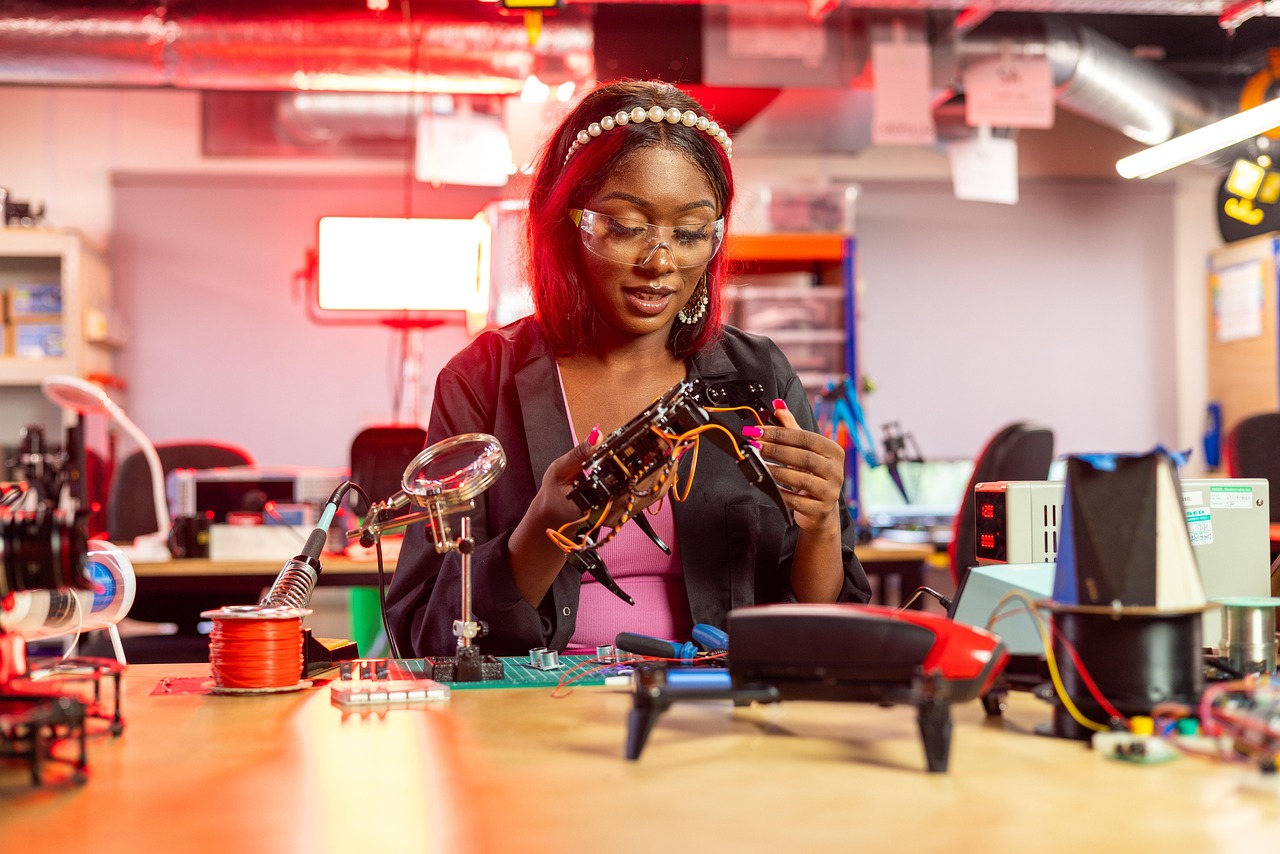
The landscape of education is undergoing a profound transformation as institutions worldwide embrace hybrid learning methodologies. This innovative approach combines the best of traditional face-to-face instruction with cutting-edge digital technologies to create more dynamic, flexible, and engaging learning experiences.

As we navigate an increasingly interconnected world, the demand for educational models that accommodate diverse learning styles, geographical constraints, and individual circumstances has never been more critical. Hybrid learning emerges as a powerful solution that addresses these challenges while preparing students for the digital-first reality of modern workplaces. This educational revolution isn’t just about adapting to technological advancements—it’s about fundamentally reimagining how knowledge is delivered, absorbed, and applied in real-world contexts.
🎓 Understanding the Hybrid Learning Framework
Hybrid learning, also known as blended learning, represents a pedagogical approach that strategically integrates online educational materials and interaction opportunities with traditional classroom methods. Unlike fully online courses or conventional in-person instruction, this methodology leverages the strengths of both modalities to create a cohesive learning ecosystem.
The framework typically involves students participating in some portions of their coursework online—often at their own pace and on their own schedule—while still maintaining regular face-to-face sessions with instructors and peers. This balanced approach ensures that learners benefit from the personalization and accessibility of digital resources while preserving the irreplaceable value of human interaction and collaborative experiences.
At its core, hybrid learning recognizes that education is not one-size-fits-all. Different subjects, skills, and concepts may be better suited to different delivery methods. Theoretical foundations might be explored through recorded lectures and interactive modules, while practical applications, discussions, and collaborative projects flourish in physical classroom settings.
🚀 The Innovation Driving Modern Learning Environments
Technology serves as the backbone of hybrid learning innovation, enabling educators to create multidimensional learning experiences. Learning Management Systems (LMS) have evolved from simple content repositories into sophisticated platforms that facilitate communication, assessment, collaboration, and personalized learning pathways.
Artificial intelligence is increasingly being integrated into hybrid learning environments, offering adaptive learning experiences that respond to individual student performance. These intelligent systems can identify knowledge gaps, adjust content difficulty, and provide targeted resources to help each learner progress at an optimal pace.
Virtual and augmented reality technologies are breaking down the barriers between physical and digital learning spaces. Medical students can practice surgical procedures in risk-free virtual environments, while history students can explore ancient civilizations through immersive reconstructions. These innovations transform abstract concepts into tangible, memorable experiences.
Essential Technologies Powering Hybrid Education
The technological infrastructure supporting hybrid learning extends far beyond video conferencing tools. Cloud computing enables seamless access to resources across devices and locations, ensuring that learning continuity is maintained regardless of physical circumstances. Collaborative platforms facilitate group projects and peer-to-peer learning, replicating and often enhancing the collaborative dynamics of traditional classrooms.
Interactive content creation tools empower educators to develop engaging multimedia materials that cater to visual, auditory, and kinesthetic learners. Gamification elements introduce competitive and achievement-based motivation, increasing student engagement and participation rates across demographic groups.
💪 Flexibility as a Core Educational Value
One of the most transformative aspects of hybrid learning is the flexibility it provides to both educators and learners. Traditional education models often struggle to accommodate the diverse circumstances of modern students—working professionals seeking advancement, parents balancing family responsibilities, or individuals living in remote areas with limited access to educational institutions.
Hybrid methodologies dismantle these barriers by allowing students to engage with course materials during times that align with their personal schedules and peak productivity periods. This asynchronous component of hybrid learning acknowledges that optimal learning conditions vary dramatically between individuals.
For educators, flexibility manifests in the ability to allocate time more strategically. Routine information delivery can be handled through pre-recorded content, freeing valuable face-to-face time for higher-order activities like critical thinking exercises, debates, problem-solving workshops, and personalized mentorship.
Accommodating Diverse Learning Paces and Styles
The flexibility inherent in hybrid learning extends to pacing and content consumption methods. Students who grasp concepts quickly can advance without waiting for the entire class, while those requiring additional time can revisit materials repeatedly without feeling rushed or embarrassed. This self-directed approach fosters autonomy and develops crucial self-regulation skills.
Multiple content formats—text, video, audio, interactive simulations—ensure that information is accessible to learners with different preferences and abilities. This multimodal approach not only improves comprehension but also reinforces learning through varied neural pathways, strengthening retention and recall.
✨ Engagement Strategies That Transform Learning Outcomes
Maintaining student engagement presents one of the greatest challenges in any educational setting, but hybrid learning offers unique opportunities to captivate learner attention through diverse strategies. The variation between online and in-person components naturally breaks monotony and maintains interest across longer learning sequences.
Interactive elements embedded within digital content—quizzes, polls, discussion forums, and collaborative documents—transform passive consumption into active participation. These engagement mechanisms provide immediate feedback, creating rewarding learning loops that motivate continued effort and exploration.
Social learning remains a cornerstone of engagement in hybrid environments. Discussion forums, peer review systems, and collaborative projects maintain the social fabric of education even when students are physically dispersed. These interactions often prove more inclusive than traditional classroom dynamics, giving voice to students who might hesitate to speak up in face-to-face settings.
Building Community in Hybrid Spaces
Creating a sense of community and belonging poses particular challenges in hybrid environments but remains essential for sustained engagement and success. Intentional design of both online and offline components to foster connection makes significant differences in student persistence and satisfaction.
Regular synchronous sessions—whether virtual or physical—provide anchor points that maintain relationship continuity. Structured group activities, peer mentoring programs, and informal networking opportunities help students develop meaningful connections that extend beyond coursework into lasting professional and personal relationships.
📊 Measuring Success in Hybrid Learning Environments
Assessment in hybrid learning must evolve beyond traditional testing methods to capture the full spectrum of learning outcomes. The rich data generated through digital interactions provides educators with unprecedented insights into student engagement patterns, comprehension levels, and learning trajectories.
Learning analytics tools track numerous metrics—time spent on materials, interaction frequency, assessment performance, and collaboration patterns—enabling early identification of struggling students and timely intervention. This proactive approach prevents minor difficulties from escalating into course failure or dropout.
Competency-based assessment models align particularly well with hybrid learning structures, evaluating mastery of specific skills and knowledge rather than seat time or credit hours. This outcomes-focused approach ensures that credentials accurately represent capabilities, increasing their value to employers and society.
Continuous Improvement Through Data-Driven Insights
The feedback loops created by hybrid learning systems benefit both students and instructors. Real-time analytics inform instructional adjustments, allowing educators to refine content, pacing, and activities based on actual performance data rather than assumptions or delayed feedback from end-of-term evaluations.
Predictive analytics can identify students at risk of disengagement or failure before traditional warning signs become apparent, enabling targeted support interventions that significantly improve success rates. These capabilities represent a paradigm shift from reactive to proactive educational support.
🌍 Global Accessibility and Educational Equity
Hybrid learning methodologies hold tremendous potential for democratizing education and expanding access to quality learning opportunities worldwide. Geographic barriers that once limited educational options dissolve when digital components enable participation from virtually anywhere with internet connectivity.
Institutions can reach student populations previously excluded due to location, mobility constraints, or schedule incompatibilities. This expanded accessibility particularly benefits underserved communities, rural populations, and individuals in developing regions where educational infrastructure remains limited.
However, realizing this potential requires conscious attention to the digital divide—the gap between those with reliable access to technology and connectivity and those without. Equitable hybrid learning implementation must address these disparities through device lending programs, offline content options, and partnerships that expand connectivity infrastructure.
🎯 Practical Implementation Strategies for Educators
Successfully transitioning to hybrid learning requires thoughtful planning and strategic implementation. Educators must carefully design the division between online and face-to-face components, ensuring that each modality is used for activities where it offers genuine advantages.
Professional development for instructors represents a critical investment. Teaching effectively in hybrid environments requires new skills—digital content creation, online facilitation techniques, learning analytics interpretation, and technology troubleshooting. Ongoing support and training opportunities ensure educators can confidently navigate these expanded capabilities.
Clear communication of expectations, schedules, and assessment criteria becomes even more crucial in hybrid settings where students navigate multiple platforms and learning spaces. Comprehensive orientation programs help learners develop the technical skills and self-regulation strategies necessary for success in flexible learning environments.
Creating Seamless Transitions Between Modalities
The most effective hybrid courses create smooth bridges between online and in-person components rather than treating them as separate experiences. Face-to-face sessions should build upon online preparation, applying and extending concepts rather than simply repeating information. Likewise, online activities should connect explicitly to classroom discussions, creating coherent narratives across the learning journey.
Consistency in communication channels, resource organization, and workflow expectations reduces cognitive load and allows students to focus mental energy on learning rather than navigation. Well-designed user interfaces and intuitive platform organization dramatically impact student experience and success rates.
🔮 The Future Trajectory of Hybrid Education
As hybrid learning continues evolving, emerging technologies promise even more sophisticated and personalized educational experiences. Artificial intelligence will increasingly function as intelligent tutoring systems, providing individualized guidance at scale that approaches one-on-one human mentorship.
Blockchain technology may revolutionize credential verification and create portable, verifiable records of competencies that follow learners throughout their educational and professional journeys. This could fundamentally transform how we conceptualize degrees, certificates, and educational achievements.
The boundaries between formal education, professional development, and lifelong learning will continue blurring as hybrid methodologies make continuous upskilling more accessible and integrated into daily life. Education will increasingly become an ongoing process rather than a time-bounded phase of life.

🌟 Transforming Educational Paradigms for Lasting Impact
The revolution brought by hybrid learning methodologies extends far beyond temporary adaptations or technological novelties. This approach represents a fundamental reimagining of education’s purpose, structure, and delivery—one that aligns with the realities of contemporary life and prepares learners for rapidly evolving futures.
By thoughtfully blending innovation, flexibility, and engagement, hybrid learning creates educational experiences that are simultaneously more accessible, personalized, and effective than traditional models. The transformation requires investment, experimentation, and commitment from all educational stakeholders—administrators, educators, students, and policymakers.
As institutions worldwide continue refining hybrid approaches, the accumulated knowledge and best practices will accelerate adoption and improve implementation quality. The future of education is not exclusively online or entirely in-person—it lies in the strategic synthesis of both, creating learning environments that honor human connection while leveraging technological possibilities. This balanced approach holds the promise of making high-quality education truly universal, empowering individuals across all circumstances to reach their full potential and contribute meaningfully to society.
The hybrid learning revolution is not simply changing how we teach—it’s transforming what becomes possible when education embraces flexibility, harnesses innovation, and prioritizes genuine engagement over traditional constraints. As this methodology matures and spreads, its impact will extend far beyond classrooms, reshaping how entire societies approach knowledge transfer, skill development, and human potential cultivation.